
Which energy performance certificate is required for which property?
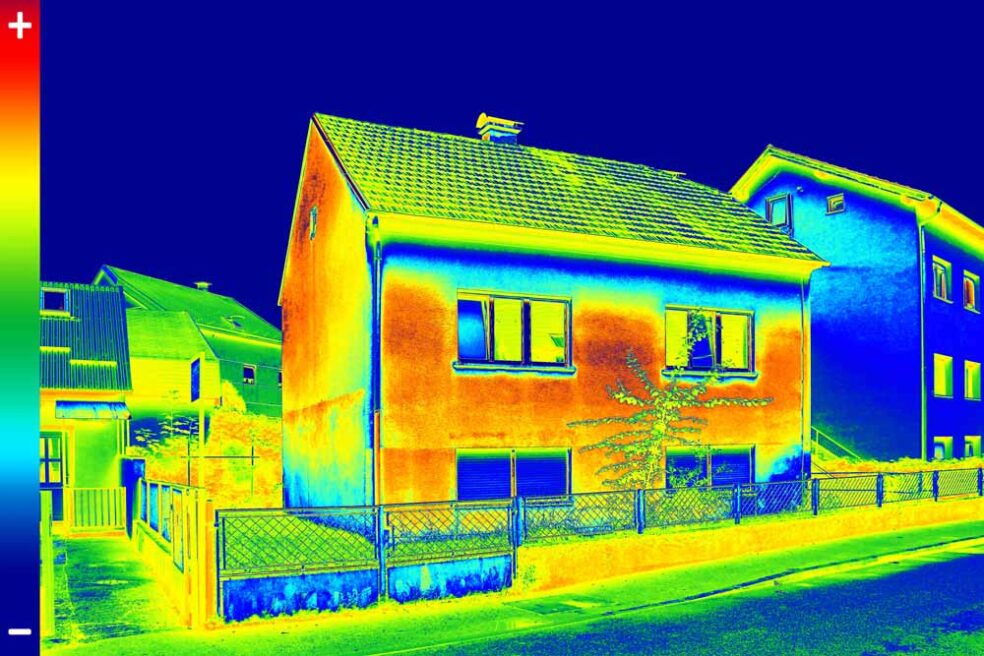
Anyone wanting to sell or rent a property needs an energy performance certificate. Since this is legally required, it must be included in the advertisement or, at the latest, during the viewing; otherwise, fines of up to €15,000 may be imposed. We explain the two most important types of energy performance certificates.
The energy performance certificate provides a concise overview of a house's energy standard, indicating how much energy it consumes. This is simplified using energy efficiency classes. The scale ranges from class A+, representing excellent energy consumption, to class H, indicating very high energy consumption. The certificate also includes general information about the building, such as its year of construction and the type of heating system, for example, oil or gas.
Energy performance certificate based on calculated energy demand or energy consumption?
Energy performance certificates are differentiated into demand-based certificates and consumption-based certificates. A simple mnemonic helps remember the difference between the two: The demand-based certificate requires a calculation. Specifically, one that is not based on actual consumption values.
An energy performance certificate based on calculated energy demand can always be issued. However, it is also more expensive than one based on actual energy consumption. Generally, the calculated energy performance certificate is used for properties where no consumption data is available. This is the case with new construction projects. It can also be the case for buildings where there are insufficient billing periods to determine average energy consumption or where the building does not meet the standards of the 1977 Thermal Insulation Ordinance. A professional real estate agent can advise you on which type of energy performance certificate you need.
In the aforementioned cases, energy consumption must be determined using a complex calculation. All factors, such as exterior wall insulation, window energy efficiency ratings, and heating technology, must be considered in the calculation. The property's location and building design must also be taken into account. The theoretical basis for the calculation is always the same, as this is the only way to compare the energy performance of different properties. However, the values calculated in this way are only a guideline, as individual heating habits or typical household energy consumption cannot be factored into the calculation.
Quality real estate agents will put you in contact with independent consultants
Energy performance certificates, both those based on calculated energy demand and those based on actual energy consumption, are typically issued by qualified and certified professionals such as energy consultants, architects, civil engineers, and chimney sweeps. However, it's crucial to ensure the consultant's independence. Energy performance certificates can also be requested online, but beware! Inexpensive offers are often of poor quality. It's safer to consult a neutral real estate expert. Their extensive experience allows them to identify qualified professionals who can issue a suitable energy performance certificate. Lists of independent and qualified professionals can also be found at the Federal Office for Economic Affairs and Export Control (BAFA), the KfW banking group, and the German Energy Agency (dena).
Do you have questions about the energy performance certificate? Or are you looking for someone to professionally prepare one? Contact us! We'd be happy to advise you.
You can find more information here:
https://www.dena.de/themen-projekte/energieeffizienz/gebaeude/beraten-und-planen/energieausweis/
Legal notice: This article does not constitute tax or legal advice for any specific case. Please consult a lawyer and/or tax advisor to clarify the facts of your individual situation.
Photo: © smuki/Depositphotos.com
About the author

Harry Mohr
Real estate agent (Chamber of Industry and Commerce)Harry Mohr, author of this article