
If the lawn has sunburn
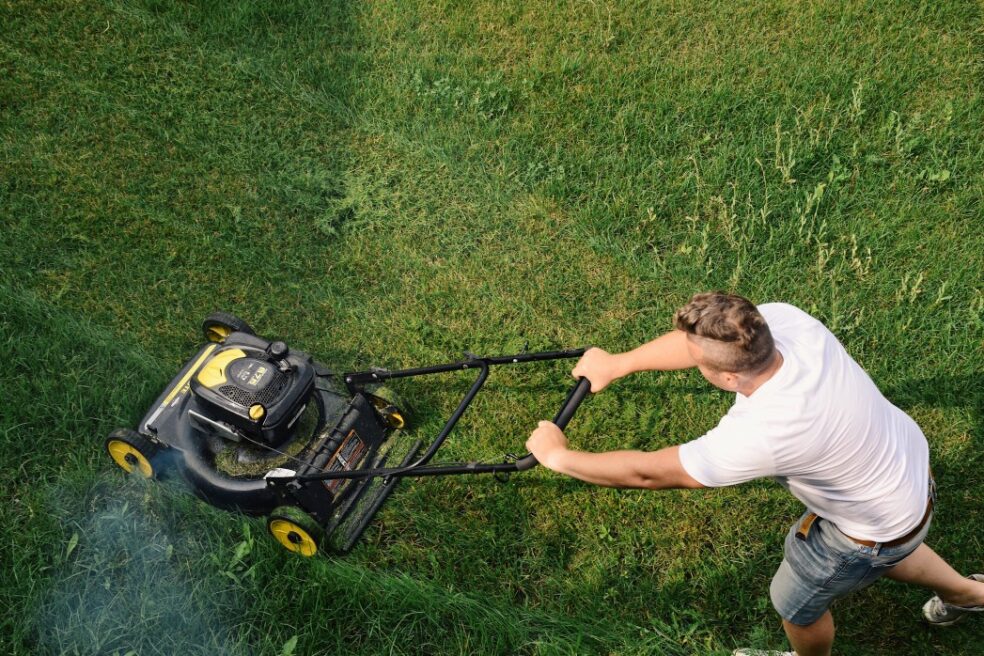
If your lawn has been exposed to too much sun and has turned a yellowish-brown color, it may be because it was cut too drastically. The bad news for lazy gardeners: in summer, it's better to mow frequently but only cut a little at a time. Longer blades of grass are more resistant to drought and absorb nutrients more efficiently.
Short blades of grass are susceptible to sun damage and burn easily, which can lead to bare patches in particularly sunny areas. "Especially after a vacation or a longer absence, you shouldn't cut the grass too short," advises lawn expert Christian Engelmann. "It's better to proceed gradually and set the cutting height of the mower to eight centimeters for the first mowing and only to the usual four to five centimeters for the second mowing."
The Fresh Cure.
If your lawn is scorched, an emergency treatment can help: Wait for the next heavy rain, mow once the grass is dry again, and then give your lawn a dose of fertilizer. Ideally, use a spreader to ensure the fertilizer is distributed evenly. This will allow the lawn to regenerate and soon grow back stronger than the weeds – however, it's best to remove buttercups, clover, and other weeds before applying the fertilizer.
Important: In late summer or early autumn, only use fertilizers high in potassium and low in nitrogen, as these can keep your lawn healthy and safe through the winter.
Water is essential.
While freshly sown seeds dry out easily and therefore need one to three liters of water per square meter several times a day, a mature lawn only needs two to three waterings per week.
If dry summers become more frequent, water could become scarce in Germany as well, the Federal Environment Agency recently warned. But even if water doesn't become a contested resource, it's still worthwhile to use drinking water sparingly. A simple method can help determine if your lawn is sufficiently watered when watering: all you need is a drinking glass or jam jar, which you place on the lawn as soon as you turn on the sprinkler. If the jar is filled to a depth of two to three centimeters, the grass roots have received enough water.
If possible, water the garden early in the morning. If the soil is still too hot from the sun in the evening, some of the water will evaporate and the lawn will remain thirsty.
About the author

Harry Mohr
Real estate agent (Chamber of Industry and Commerce)Harry Mohr, author of this article