
What to do with all the autumn leaves?
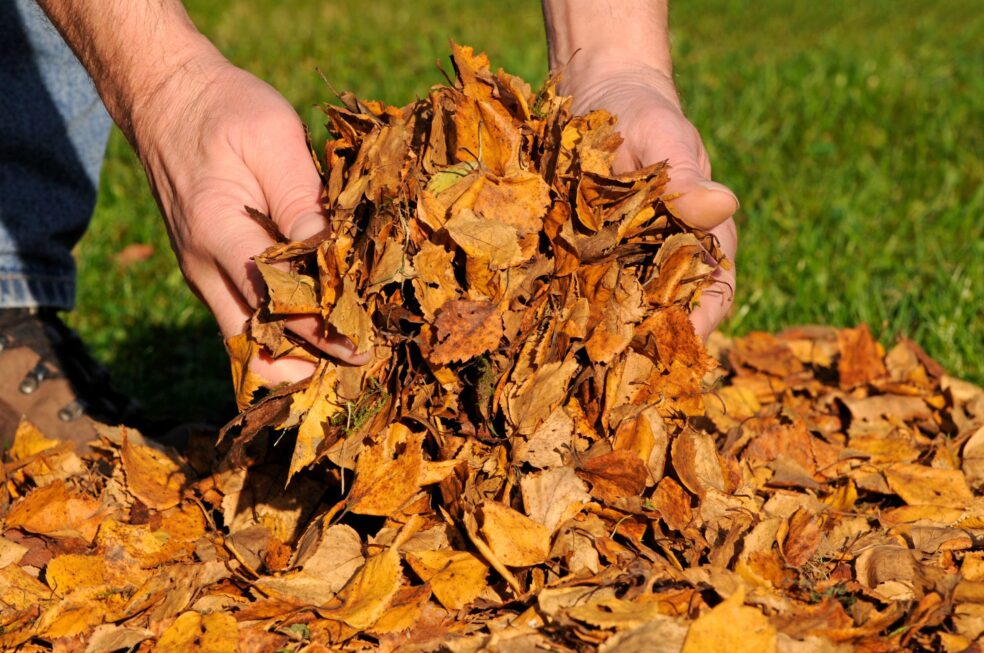

Damp, cold November weather and frost aren't exactly inviting for gardening. But don't put your wellies away just yet. Before you leave your garden to its winter slumber, you should clear the lawn of the last of the autumn leaves. Also, cover your flower beds with a layer of compost or mulch up to two centimeters thick, made from grass clippings, easily decomposing leaves, and other garden waste, to protect them from the frost.
(Caution: Layers that are too thick will suffocate the soil and cause rot!)
Autumn leaves can be left under trees and shrubs. Ground cover plants and perennials that thrive in the shade are naturally accustomed to autumn leaf cover. As an alternative to compost, you can simply spread the raked leaves under your trees and shrubs.
Composting is generally a good way to dispose of autumn leaves. However, gardening experts recommend shredding leaves that decompose slowly (such as oak, chestnut, walnut, or poplar leaves) before composting. Mix them with other organic kitchen or garden waste, such as grass clippings and small twigs. The proportion of leaves in the compost should not exceed about one-fifth.
There are other ways to make good use of autumn leaves. Piles of leaves stacked in sheltered corners of the garden are important and welcome winter quarters for small animals such as hedgehogs.
Under no circumstances should leaves be put in your own household waste, and the organic waste bin is usually too small. They must also not be disposed of in the forest. In some municipalities, however, autumn leaves can be taken to special green waste or recycling centers.
About the author

Harry Mohr
Real estate agent (Chamber of Industry and Commerce)Harry Mohr, author of this article