
Energy performance certificate: How meaningful is a look at energy consumption?
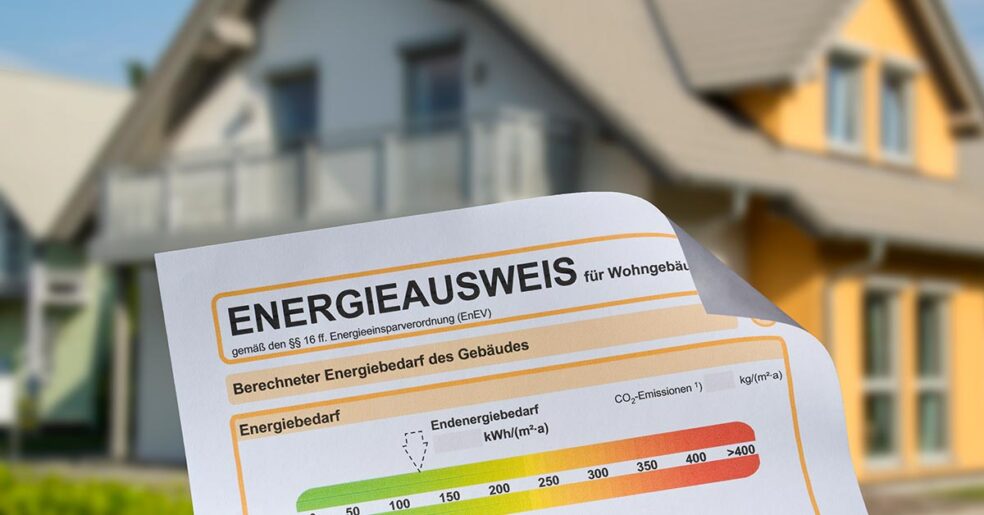
Quickly obtained, inexpensive, and often legally sufficient – the energy performance certificate is the pragmatic option among energy documents. However, it doesn't measure walls and insulation, but rather the behavior of previous occupants. What do these figures really reveal about a property's energy efficiency – and what do they conceal?
The law does not permit the energy performance certificate without restrictions. It may only be issued for residential buildings that meet certain criteria. These include houses with at least five residential units or buildings for which the building permit application was submitted after the first thermal insulation ordinance.
Renovated older buildings can also qualify, provided their energy efficiency has been brought up to a comparable standard. However, a needs-based energy performance certificate is mandatory for smaller, unrenovated existing buildings. Owners should therefore check in advance which document is acceptable for their property – a formal error can prove costly during the sales process.
Everyday figures: How the key figure is calculated
The energy performance certificate focuses on real data. It is based on the heating and hot water bills from the last three years. These values are adjusted for climate change to compensate for particularly mild or cold winters and then converted to the building's floor area.
The result is an energy performance indicator that indicates the average consumption per square meter per year. It reflects actual user behavior – with all its specific characteristics. A frugal resident can lower the value just as much as a vacant property. Conversely, frequent heating or high hot water usage drives the indicator up, without necessarily making the building itself inefficient.
Simple, but not objective: The comparison to the energy performance certificate
This is precisely where the weakness of the consumption-based energy performance certificate lies. It doesn't measure the building's substance, but rather its behavior. The demand-based certificate, on the other hand, is based on a technical analysis of the building envelope, heating system, and insulation standard. It is more complex, but delivers more objective results.
The energy performance certificate based on actual consumption scores points for its real-world accuracy and lower cost. For buyers, this means that the key figures should always be considered within their context. They provide guidance but do not replace a comprehensive energy assessment. Anyone planning to change their usage patterns or renovate the property should not evaluate the figures in isolation.
Do you want to use an energy performance certificate for your property? We are happy to advise you. Contact us – we will check whether your property meets the requirements and help you quickly obtain a valid energy performance certificate.
Notes
For the sake of readability, this text uses the generic masculine form. Female and other gender identities are explicitly included where relevant to the statement.
Legal notice: This article does not constitute tax or legal advice for any specific case. Please consult a lawyer and/or tax advisor to clarify the facts of your individual situation.
Photo: © PantherMediaSeller/Depositphotos.com
STR_EIG_7
About the author

Harry Mohr
Real estate agent (Chamber of Industry and Commerce)Harry Mohr, author of this article