Using solar energy
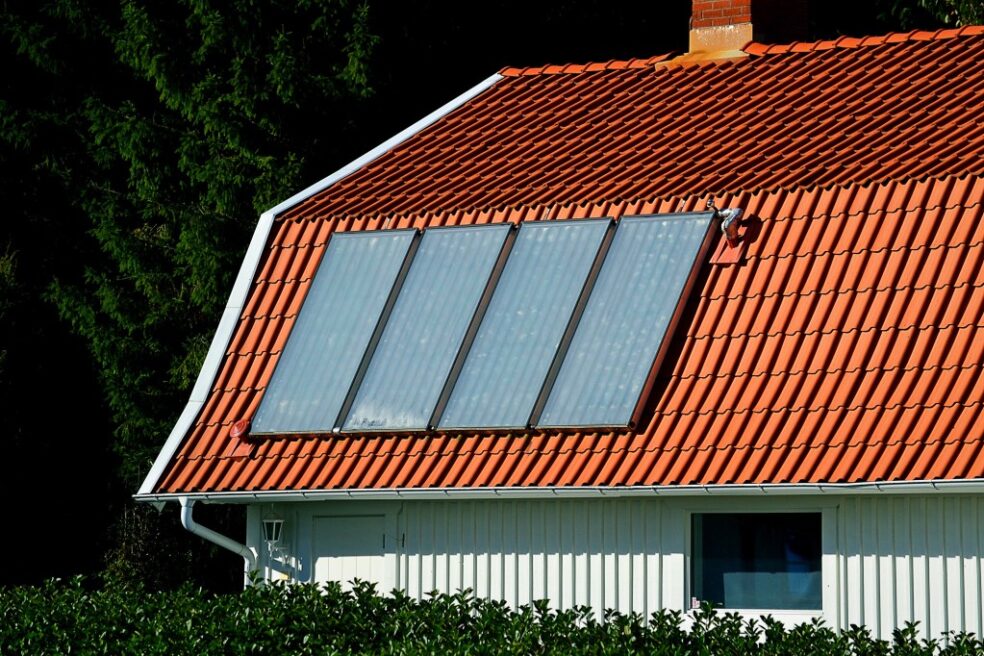
There are many arguments in favor of not letting the solar energy that shines on our roofs every day go to waste: Self-generated electricity is climate-friendly and also makes homeowners independent of energy suppliers and rising electricity prices. But is purchasing a photovoltaic system also economically viable?
Thanks in no small part to the "Fridays for Future" movement, climate awareness in Germany has increased significantly, the Green Party is gaining more support than ever before, and the "Greta effect" is boosting demand for green electricity. This, along with the fact that solar power has become cheaper, is giving the solar industry a new impetus, including in the residential sector.
The solar industry is on the rise.
After the industry was mired in crisis since the boom years of 2011 and 2012, due to the drastic reduction in high electricity prices, the market is now growing again. Homeowners can now have a complete system installed on their roof for around €6,000 – including installation – providing enough electricity for a family of four with a peak output of five kilowatts (kWp). According to the German Solar Association (BSW), more than 35,000 systems were installed across Germany in the first half of 2018, most of them on the roofs of private homes. This represents an increase of almost 50 percent compared to the same period of the previous year.
Self-consumption pays off.
For homeowners today, a photovoltaic system is particularly worthwhile due to the increased use of solar power for their own needs. "Since the feed-in tariff has settled at a low level, it actually makes more sense to use the electricity yourself," says Jochen Schäfenacker, energy consultant at the Baden-Württemberg Consumer Center. "Currently, feeding a kilowatt-hour into the grid for new systems yields just over twelve cents, guaranteed for 20 years. A kilowatt-hour of electricity from the grid costs at least 25 cents, depending on the tariff. Direct consumption therefore saves significantly more than selling the electricity back."
Climate change is causing records.
Paradoxically, climate change is actually helping to make solar power profitable. In July 2018, the 1.6 million photovoltaic systems in Germany produced a record 6.7 billion kilowatt-hours of electricity during a remarkable 305 hours of sunshine, according to the Fraunhofer Institute for Solar Energy Systems (ISE) in Freiburg, briefly surpassing even nuclear power.
However, the question of whether purchasing a PV system is currently economically viable cannot be answered definitively. Optimizing self-consumption requires additional technology such as energy storage or smart home solutions, which ultimately increase the cost of generating one's own electricity.
Choose long-lasting solar power storage.
Skimping on the battery is not advisable: The currently predominant, less expensive lead-acid batteries are limited to 2,000 charging cycles and can only utilize half of the stored solar power for self-consumption. Lithium-ion batteries, on the other hand, are more efficient, significantly longer-lasting with up to 6,000 charging cycles, and allow you to use up to 90 percent of the stored electricity. The downside: They are also considerably more expensive, costing between €6,000 and €15,000.
Our tip:
Inquire about funding programs such as the storage loan from KfW Bank.
Conclusion:
If the additional investment in storage technology is manageable, then installing a photovoltaic system is worthwhile. Incidentally, the self-generated electricity can be used not only in the house, but also for electric vehicles on two or four wheels!
Sources: spiegel.de, verbraucherzentrale-bawue.de, handelsblatt.com, solaranlage-ratgeber.de, focus.de, solaranlagen-portal.com, energiezukunft.eu, zeit-online.de
About the author

Harry Mohr
Real estate agent (Chamber of Industry and Commerce)Harry Mohr, author of this article