
This is how age-appropriate living works
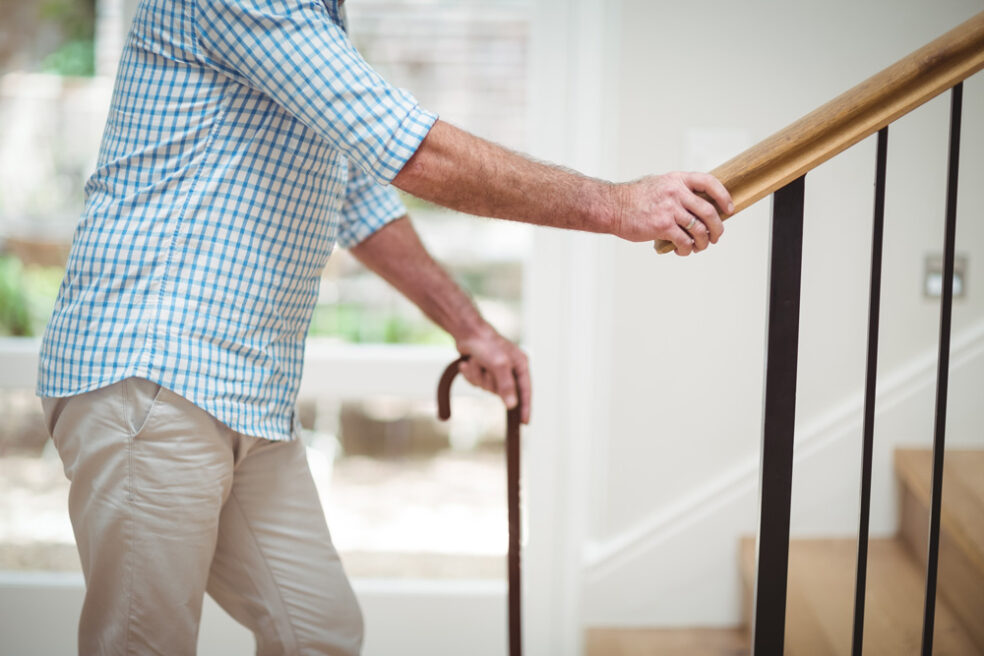
As people age, their needs and requirements for their homes change. Meeting these needs often necessitates significant structural modifications to their living spaces. How can age-appropriate living be achieved, and who can support those affected?
The term "age-appropriate housing" refers to rental or owner-occupied apartments that enable older people to live comfortably and without barriers. Practical and functional furnishings are important, for example. Residents should be able to live independently for as long as possible without being heavily dependent on others. To achieve this, the apartment must be free of all tripping hazards and risks, and assistive devices must be installed to simplify daily life. The following housing options enable age-appropriate living:
Barrier-free renovation
This option is particularly suitable for seniors who don't want to leave their familiar home as they age. The idea is to modify the house or apartment so that residents can move around without barriers. A stairlift can be installed and doorways widened. The bathroom can be equipped with a wider shower and grab bars, a seat, or a suitable toilet for wheelchair users. The downside: It's often expensive.
Retirement homes
When seniors require extensive care or constant supervision by a professional, a nursing home is often a sensible option. Here, seniors are among people in a similar stage of life, and someone is always on-site should residents need assistance.
Shared apartments
In shared living arrangements, older people can live together with other seniors. They support each other and build social connections, preventing loneliness in old age and ensuring they can always help one another. This can be particularly beneficial for seniors with low incomes, as they share expenses such as rent, utilities, and repairs.
Multigenerational homes
Here, people of different generations live together. This allows seniors to receive support from younger people if needed. Conversely, the seniors can help them in turn, for example by offering babysitting services.
Assisted living
In assisted living, seniors live in barrier-free apartments or houses and have a contact person on site. They still live largely independently in their own homes. The level of support they receive depends on their degree of independence. The type of support can also be adjusted over time
Are you looking to sell your home to move into age-appropriate housing? Contact us now. We'd be happy to help.
Photo: © Wavebreakmedia / Depositphotos.com
About the author

Harry Mohr
Real estate agent (Chamber of Industry and Commerce)Harry Mohr, author of this article