"Think small": In major German cities, one less room is perfectly acceptable
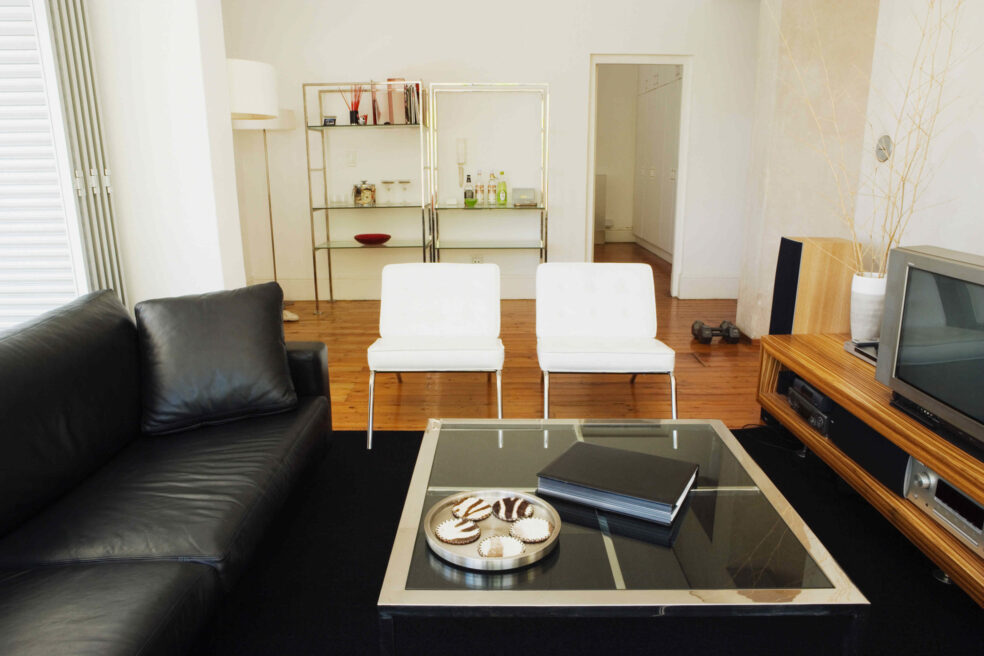
For decades it seemed like a law of nature: Germans always need more living space. Conversely, it was assumed that larger apartments were also easier to market. But is this trend really so clear-cut?
At least as far as metropolitan areas are concerned, experts see a contrasting trend. Smaller apartments, ranging from 40 to 65 square meters, are in higher demand than before. The main reason is the increased purchase and rental prices in large cities and metropolitan areas. In Stuttgart, for example, rents rose by an average of 5.5 percent compared to 2011/2012.
The equation is remarkably simple: An attractive supply of jobs and apprenticeships generates high demand, the housing market becomes tighter, and rents rise. "The pressure on the rental market stems primarily from the housing demand of young singles," explains Stuttgart's mayor for public order, Martin Schairer.
But it's not just young people; retirees and "best agers" are also drawn to the city after their children have moved out. "Priorities are changing," says Dr. Stefan Brauckmann , Head of Research & Analysis at GBI AG: Qualified professionals, in particular, want to take advantage of the city's leisure activities after a long workday, instead of spending their evenings in a car or on public transport. "Growing environmental awareness and high fuel prices are also contributing to this trend," adds Jochen Stolle of Bulwien Gesa.
It's by no means only younger people or those with lower incomes who are opting for smaller, but functional and well-designed living spaces in view of expensive city locations. The trend extends all the way to the luxury segment. Those with high incomes often prefer to invest in extras such as technical equipment or security services.
Investment with a future: Micro-apartments
Demand is high, but building land is limited. "Since not as much living space can be built in metropolitan areas as is needed, floor plans have to adapt," confirms real estate economist Michael Voigtländer from the German Economic Institute (IW).
A new real estate category has emerged: "micro-apartments" with 20 to 40 square meters of living space. Furnished, they offer businesspeople managing projects away from home a good alternative to hotels. Kurt Friedl, Managing Director of RE/MAX Germany Southwest, sees this niche product as a stable investment with a future.
Gradually, planners and investors are also realizing the rising demand: In new construction projects, the "Munich floor plan," as these one- and two-room apartments are aptly called, is being increasingly taken into account. "Think small" is a global trend: From London to New York to Rio de Janeiro, floor plans are shrinking. In Tokyo, less than 15 square meters are available per inhabitant.
Sources:
Institute of the German Economy “Back to the City”, iwd, No. 3 of January 16, 2014
Federal Association of German Housing and Real Estate Owners (GdW): Study on Housing Trends 2020
Bulwien Gesa: Market study on micro-apartments
Further information is available at www.remax-saarlouis.de or by phone: 06831-4004242
About the author

Harry Mohr
Real estate agent (Chamber of Industry and Commerce)Harry Mohr, author of this article