
Absolutely binding: The new energy performance certificate
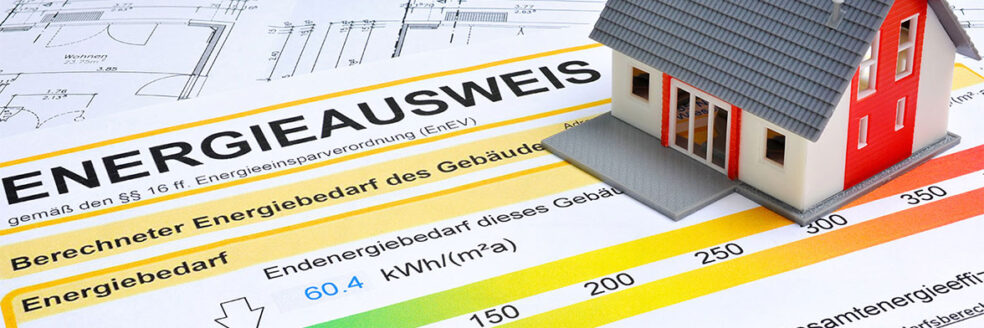
Energy performance certificate requirements tightened – high fines threatened for violations
With the new Energy Saving Ordinance (EnEV), which came into force on May 1st of this year, the importance of the energy performance certificate as an information tool for consumers has also been strengthened. To ensure that prospective buyers or tenants are informed about a property's energy performance before a viewing and can compare different offers, sellers or landlords must now include various details in all commercial media such as newspapers, internet portals, etc.
This includes specifying the type of certificate (energy demand or consumption certificate) and the energy performance rating it contains. As before, this rating refers to the building's usable floor area. At the request of the Federal Council, the conversion of the demand or consumption value to the living area is no longer required.
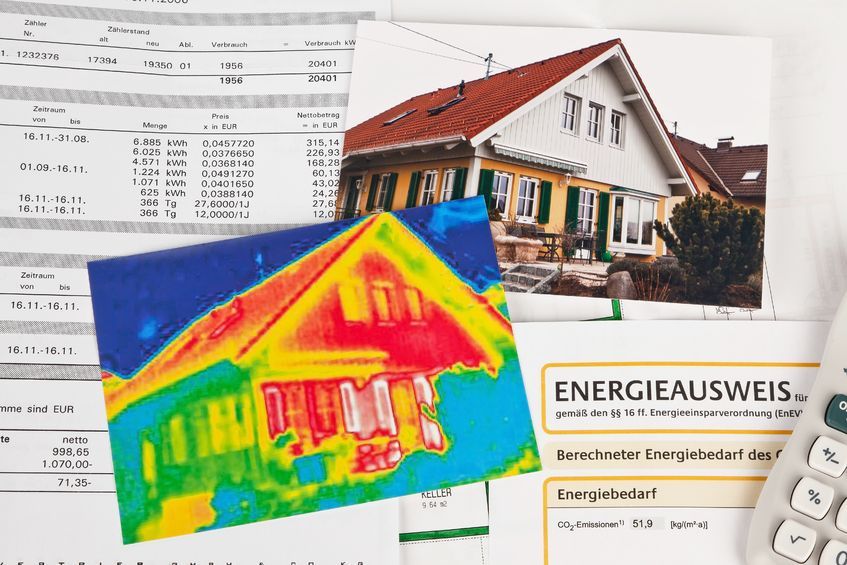
The primary energy source for heating the building in question, as well as its year of construction, must also be specified. For residential buildings, the energy efficiency class (letters from "A+" to "H") will also be mandatory in the future. Many consumers are already familiar with this classification from the EU energy labels for large electrical appliances. However, the efficiency classes do not allow for conclusions to be drawn about the actual operating costs of a building. A gas-supplied building in class D can have the same energy costs as a district heating-supplied building in class B. The letter does, however, indicate the energy performance of the building. A poorly insulated building will therefore have a lower efficiency class.
What's also new is that the energy performance certificate (or a copy thereof) must be presented to potential tenants or buyers during property viewings. Landlords or sellers who already have an energy performance certificate for their property under the previous regulations do not need a new document – especially since the classification of certificates as either demand-based or consumption-based remains unchanged, as does the ten-year validity period. Have you renovated your building to improve its energy efficiency in recent years? Then it's best to apply for a new energy performance certificate, because better energy ratings will make it easier to rent or sell your property.
“Sellers and landlords should take the new regulations seriously, as the amended Energy Saving Ordinance (EnEV) also introduces new penalty provisions, which include fines of up to €15,000,” advises Michael Schäfer, real estate agent in our office. “Owners can also be issued with a warning notice in advance, which may incur costs.”
About the author

Harry Mohr
Real estate agent (Chamber of Industry and Commerce)Harry Mohr, author of this article