
Solar thermal energy for the balcony
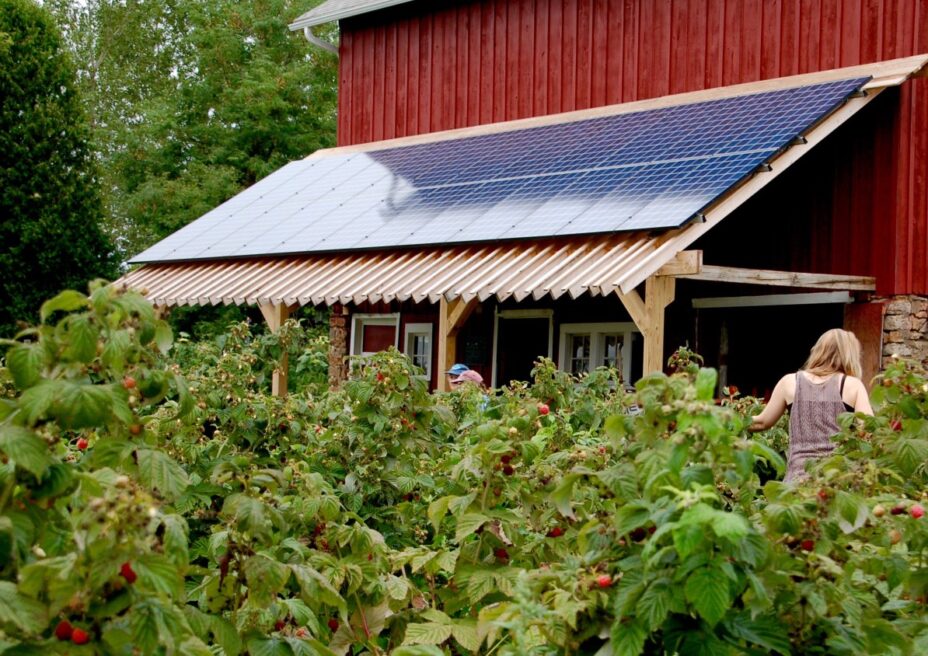
Spring is approaching, and with it comes balcony and garden season. If you're planning to extend or renovate your balcony, we recommend considering a solar balustrade. It stores plenty of solar energy for your home.
While solar panels have traditionally been mounted almost exclusively on roofs, more and more surfaces on buildings are now being used for generating solar power. Besides south-facing exterior walls, parapets and balcony railings are among the lesser-known alternatives. What are the advantages of using balcony railings for solar energy generation?
First of all, the modules are easier to install on the balcony railing than on the house. Furthermore, they can be used from both sides, because if the balcony railing is equipped with solar cells on both sides, they can capture both direct sunlight and sunlight reflected from the building facade.
Modern and elegant
You don't need to worry about the aesthetics either, as a solar balcony looks modern and elegant, is available in various colors and designs, and also offers optimal privacy. Those who want to customize the look can have the surface of the solar cells finished or printed on to create a truly individual design.
As with solar panels on the roof, the orientation of balcony railings with solar glass also plays a role. A south-facing balcony naturally captures the most intense sunlight. However, west- or east-facing balconies can also be optimized for energy efficiency.
Plug-in solar system
The easiest system to use is a plug-in solar system. Here, the electricity from the balcony flows directly into the wall socket and is fed into the apartment's electrical grid. The electricity generated is then used by the connected and switched-on electrical appliances in the house. With a power output of 200 to 600 watts, balcony solar panels produce enough electricity to cover a large portion of the continuous energy needs of appliances such as refrigerators or heating pumps.
Since balcony solar systems are much simpler in design than large rooftop photovoltaic systems, they are also less expensive. Nevertheless, it takes approximately ten years for a solar balcony to pay for itself and start generating free electricity.
About the author

Harry Mohr
Real estate agent (Chamber of Industry and Commerce)Harry Mohr, author of this article