Smart living is no longer a future scenario
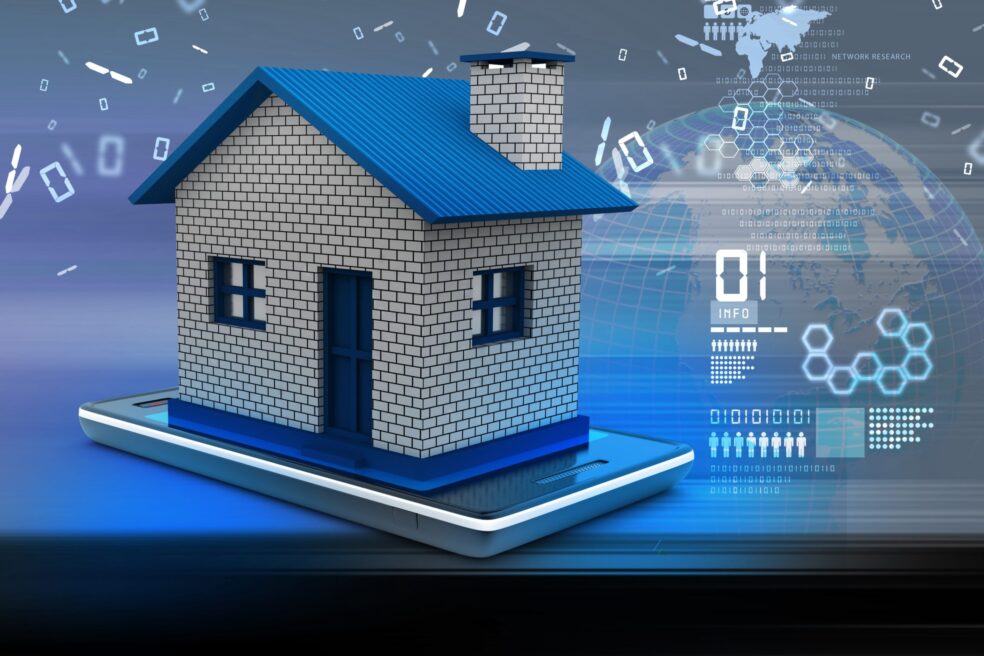

Energy efficiency, security, and living comfort through networked home technology. The smart home thinks for itself!
As you wake up, the aroma of freshly brewed coffee fills your nostrils and your favorite music begins to play. Fresh air streams in through the opening skylight, and the blinds rise to let in the daylight. The bathroom is already pleasantly warm, and the shower water is at the perfect temperature…
The smart home, where all devices are networked and centrally controlled, is no longer a futuristic scenario. And it's by no means just a technological gimmick that spices up everyday life and simply provides greater comfort. Primarily, networked home technology, which can also be limited to specific areas, helps to reduce energy costs and make the home more secure.
How does that work?
Components such as smart radiator thermostats, smoke and motion detectors, and door and window sensors act as transmitters and receivers. Electrical devices and multimedia systems are integrated via smart plugs. All these modules communicate wirelessly, via cable, or powerline with a central control unit.
What can the system do? Here are some application examples:
When you leave your home , the alarm system activates automatically.
If the window sensor detects that the windows are open, the heating is automatically turned down. A rain sensor detects a change in the weather and closes the skylights in time.
Using a smartphone app, you can precisely control all networked devices and components, or program desired standards, even from anywhere – on the go or from your workplace.
For example, empty rooms don't need to be heated all day to ensure a comfortable temperature when you return home. When you go on vacation, your house switches to energy-saving mode. If an integrated weather station forecasts sunny, hot weather, the garden irrigation system activates. In case of fire, the smoke detector not only provides an audible and visual warning but also automatically places an emergency call.
The fact that the system can also be controlled remotely from the sofa or bed not only makes it convenient, but also makes smart home technology an important factor for age- and disability-friendly living.
Manufacturers such as RWE, Archos, and Telekom offer modularly expandable systems. Installing the home automation system is straightforward; only the flush-mounted devices for lighting and roller shutter control should be installed by a professional.
About the author

Harry Mohr
Real estate agent (Chamber of Industry and Commerce)Harry Mohr, author of this article