
Renovating before selling – what pays off
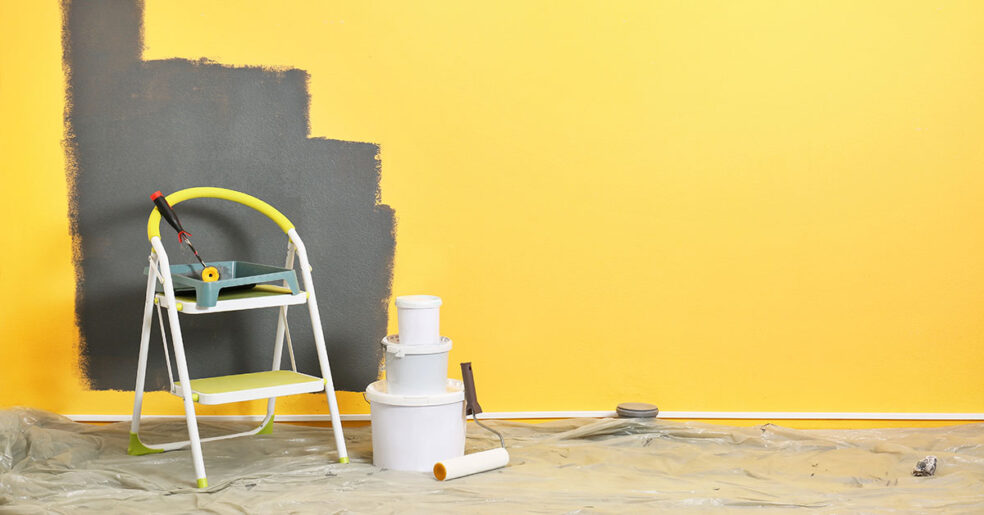
Many homeowners wonder whether they should quickly paint the walls or modernize the bathroom shortly before selling their property. However, not every renovation increases the price – this article explains which projects are truly worthwhile and when restraint is the better strategy.
Before opening paint cans or hiring tradespeople, a sober look at the budget, schedule, and market value is essential. Knowing how long similar properties in comparable locations are currently on the market and what prices are realistic allows you to measure every step against hard data. Ideally, a project should pay for itself within the remaining weeks until handover; overly extensive projects devour money, prolong the marketing period, and, with rising financing costs, carry the risk of the market reversing.
Small repairs, big impact
First impressions determine whether prospective buyers feel sympathy or skepticism. Freshly painted, neutral-colored walls, neatly sealed silicone joints, clean light switches, and a mowed lawn signal attention to detail. Even stepping over an oiled front door threshold conveys a sense of care. Such improvements cost little time and money but almost always increase the willingness to accept the asking price or overlook minor flaws. It's important to choose understated colors and keep personal decorations to a minimum so that potential buyers can project their own interior design ideas.
Extensive renovations: When they're worthwhile – and when they're not
A new designer kitchen, floor-to-ceiling windows, or a luxurious bathroom certainly look impressive, but they quickly rack up five-figure costs and don't necessarily appeal to the target audience. Expensive renovations are only worthwhile if they address an objective deficiency or significantly improve the energy efficiency. For example, if double glazing is missing and a poor energy performance certificate is imminent, replacing it can genuinely increase the property's value and prevent price reductions. However, if the focus is solely on style, buyers often prefer to handle the design themselves – in which case, every euro invested is unlikely to translate into a return on the purchase price.
Making the increase in value visible: Renovating for a faster sale
Despite all the calculations, buying real estate is often a gut decision. A well-maintained facade, oiled wooden floors, and functioning building services immediately appeal to potential buyers' sense of security. The same applies to energy consumption: if a simple radiator replacement or additional insulation improves the energy efficiency rating by one class, initial interest quickly translates into a willingness to pay. Online listings also benefit from this; bright, tidy rooms generate more inquiries, viewings are more focused, and the property stays on the market for a shorter time. Visible improvements in value accelerate the entire sales process without necessarily incurring high costs.
Brief example of energy-efficient renovation – window replacement
A detached house (150 m², built in 1980) is being fitted with 12 new triple-glazed PVC windows: each window costs approximately €500–1,200, depending on size and region, resulting in total costs of around €6,000–14,000; on average, a package of this size costs around €9,000. Federal subsidies for efficient buildings allow for a grant of up to 20%, reducing the owner's out-of-pocket expenses to approximately €7,500. If the replacement improves the energy efficiency rating from E to C, price reductions can be avoided, and price increases of roughly 5–10% can be achieved, depending on the market – up to €45,000 for a property valued at €450,000. Replacing the windows is therefore particularly economical if the old energy performance certificate would deter buyers or force them to accept significant price reductions.
Unsure which renovations will truly pay off before selling? We'll professionally assess your property and tell you honestly which measures will increase the asking price – and which you can skip. Contact us now so you only invest where it makes sense.
Notes
For the sake of readability, this text uses the generic masculine form. Female and other gender identities are explicitly included where relevant to the statement.
Legal notice: This article does not constitute tax or legal advice for any specific case. Please consult a lawyer and/or tax advisor to clarify the facts of your individual situation.
Photo: © NewAfrica/Depositphotos.com
SAN_VER_7
About the author

Harry Mohr
Real estate agent (Chamber of Industry and Commerce)Harry Mohr, author of this article