
Preparing the lawn for winter

Why your green needs you now
The gardening season is drawing to a close, but anyone who puts their lawn into winter dormancy too early will regret it when moss, brown patches, and unevenness mar its spring appearance. To ensure your lawn survives the winter healthy, it needs your attention one last time. What should you keep in mind?
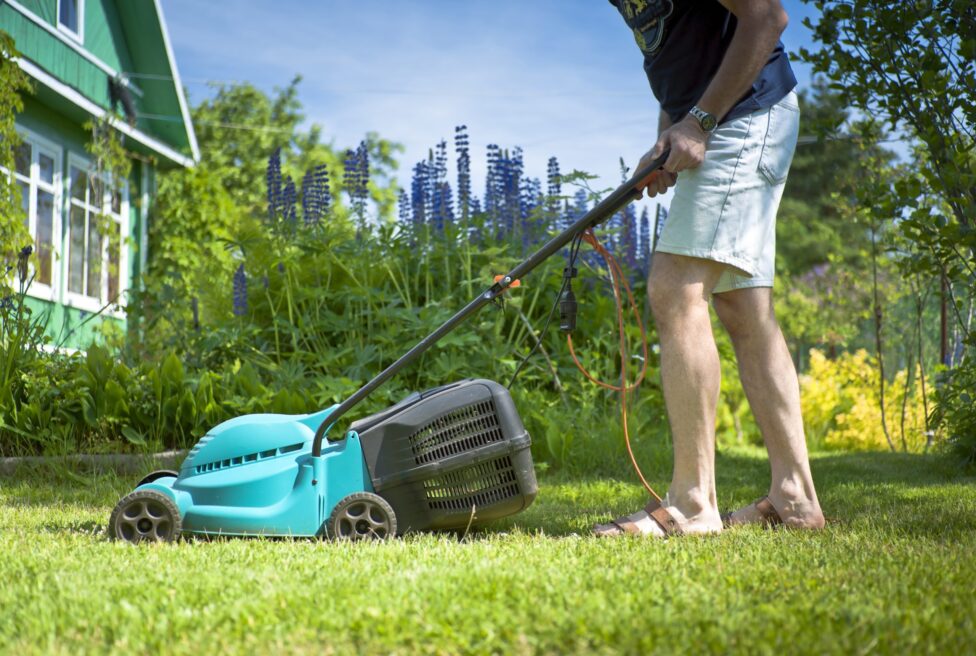
Keep mowing! The lawn usually grows until mid-October. If it goes into winter uncut, fungi and diseases can spread.
Remove clippings and leaves. If your lawn isn't adequately aerated, rot will develop. Tip: Mow the leaves along with the grass clippings and use them as mulch for trees and shrubs.
Avoid mowing when the grass is wet. Damp grass clogs the mower deck and grass catcher, resulting in frequent cleaning breaks.
The stalks should be four to five centimeters high for the final cut. This ensures they are still long enough to reach the light and compete with weeds and moss. If they are too long and flattened by snow, this can lead to fungal diseases.
Give your lawn an extra boost of nutrients before the last mowing (around the beginning of October). However, don't use a nitrogen-rich fertilizer, which stimulates growth, but rather a special autumn fertilizer. It contains plenty of potassium, which strengthens the lawn's defenses.
Tip: The cost-effective alternative is patentkali, which contains potassium, magnesium and sulfur.
Now you and your lawn can take a break. To ensure it grows evenly and vigorously in the spring, you should walk on your lawn as little as possible during the winter. Frozen blades of grass break, discolor, and grow back more slowly.
About the author

Harry Mohr
Real estate agent (Chamber of Industry and Commerce)Harry Mohr, author of this article