
No turnaround in sight yet
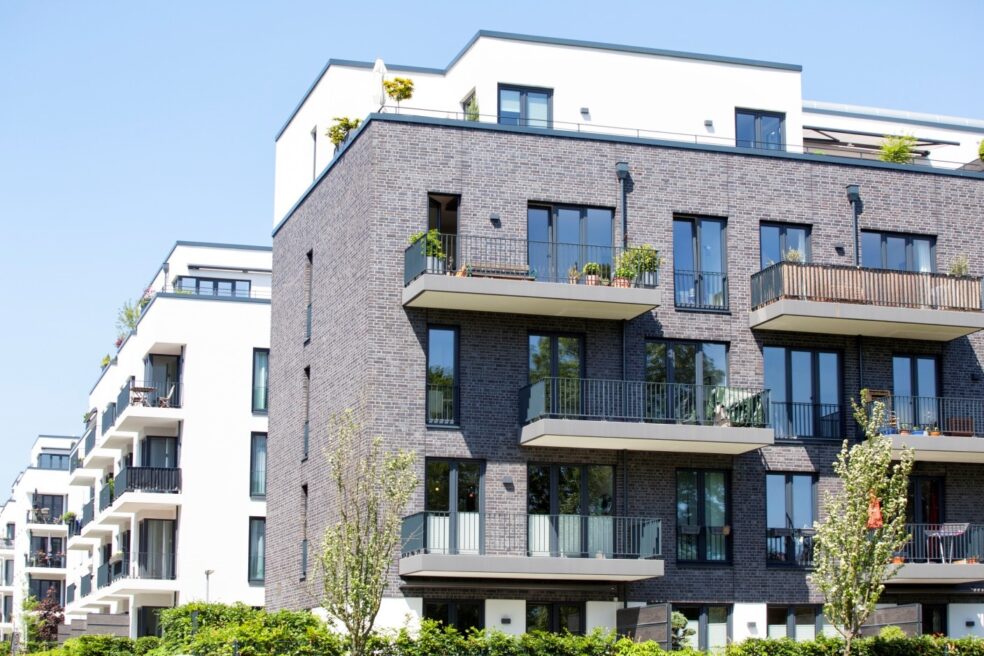
"Residential property prices will continue to rise in 2018"
Prices for houses and apartments will continue to rise in 2018. This is the conclusion reached by the working group of expert committees in its 2017 "Real Estate Market Report," published in December, which analyzed approximately one million purchase agreements. The official experts see no signs of a speculative bubble.
“The willingness to invest in the real estate market in Germany remains high against the backdrop of positive economic developments,” said Federal Minister Dr. Barbara Hendricks in the foreword to the study. The persistently low interest rates also provide strong incentives for investing in real estate.
Significant regional differences
However, Hendricks also points to the significant regional differences: Sales increases, driven by supply shortages, occurred primarily in urban areas, while prices in rural regions stagnated or even declined. Nevertheless, the average annual price increase of nine percent since 2009 demonstrates continued strong momentum, according to the minister. In 2016, over €237 million was transacted on the real estate market (with a constant transaction rate), representing an increase of almost 25 percent compared to 2014.
"Pressure on the housing market remains high"
Residential properties accounted for the largest share of sales. Within this sector, owner-occupied single-family homes and condominiums made up the lion's share at 75 percent. Appraisers recorded a 20 percent price increase in 2016 compared to 2014. An end to the price increase is "not in sight," states Anja Diers, chairwoman of the working group of official appraisal committees. The real estate market report concludes: "The pressure on the housing market remains high, and the lack of supply continues to drive prices up." Furthermore, there is a shortage of building land, particularly in major cities.
Regional price differences are worsening
Prices are rising most sharply in the "Top Seven" cities: Munich, Stuttgart, Frankfurt, Düsseldorf, Cologne, Berlin, and Hamburg. This is especially true given the high volume of capital in the market and the strong demand for real estate in German metropolitan areas among wealthy investors from Asia, America, and the Middle East. Furthermore, young, highly qualified people continue to flock to city centers. This "swarm behavior of the next generation," as it's known in the industry, has also exacerbated regional price differences.
The panel of experts, like the Bundesbank, warns of "price excesses" in urban areas. However, the official experts still refrain from speaking of a speculative price bubble. "The price increase alone is not sufficient evidence of a real estate bubble," explains Diers. Other indicators play a role, such as the increase in speculative purchases or financing problems. These, however, are not yet apparent in the German market, according to Anja Diers. Loans for financing apartments or houses are not growing dangerously fast, and banks are not granting loans recklessly, the Bundesbank notes.
Real estate prices also rose sharply in 2017
According to data from the analysis firm Empirica, real estate prices in Germany rose sharply again in 2017: Compared to the same period of the previous year, prices for condominiums increased by 7.8 percent in the first three quarters, and for single-family and two-family homes by almost 5.8 percent. Regional price differences remain immense: For example, a square meter of high-quality condominiums in Frankfurt recently cost just over €4,000, in Munich even €6,470, while in the Erzgebirge district it was only €781 and in the Osterode am Harz district €710.
Note: This real estate market study is based on market information from approximately 1,200 valuation committees in Germany. The report is considered the most objective source for assessing real estate market trends.
Sources: www.immobilienmarktbericht-deutschland.info, tagesspiegel.de, spiegel.de, sueddeutsche.de
About the author
Harry Mohr
Real estate agent (Chamber of Industry and Commerce)Harry Mohr, author of this article