Sustainability is trending: How energy standards influence property value
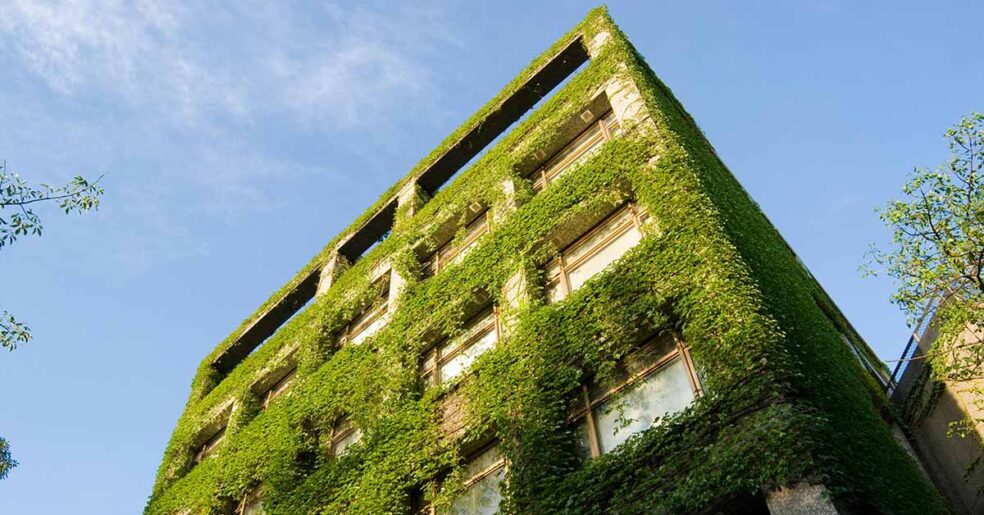
Energy efficiency and sustainability are playing an increasingly important role in real estate sales. Buyers are paying more attention to good insulation, modern heating systems, and low energy consumption – and legal requirements are also becoming more stringent. In this article, we examine how contemporary energy standards influence the value of your property and what you, as the owner, should consider.
Energy efficiency as a selling point: What buyers expect
The expectations of today's homebuyers have changed dramatically in recent years. While location was once the primary factor, energy efficiency is now among the most important considerations, alongside infrastructure and living comfort. Buyers are increasingly interested in the long-term operating costs of their future home.
They pay close attention to how well a property is insulated and whether energy-efficient renovations have already been carried out. Modern heating systems, renewable energy sources, and good energy performance ratings are increasingly becoming prerequisites for purchase. Properties with high energy standards are not only easier to sell, but often achieve significantly higher selling prices than comparable properties with poorer energy ratings.
New regulations: Pressure on unrenovated buildings is increasing
Legislators are also consistently driving the trend towards energy efficiency. Requirements for new buildings and renovations are constantly increasing – energy performance certificates are gradually becoming mandatory, and existing properties that have been inadequately renovated are coming under increasing pressure.
Owners of older, unrenovated buildings therefore face increasing costs and a loss in value if they postpone necessary measures. It is already becoming clear that unrenovated properties will become increasingly difficult to sell in the future. Owners should proactively address this trend by considering modernization measures early on.
Increased value through modernization: Does it pay off?
Energy-efficient upgrades such as thermal insulation, replacing old heating systems, or installing solar panels initially involve investment. Many homeowners therefore wonder whether this expense is worthwhile. The answer is usually a resounding yes, as such measures significantly and permanently increase the property value. Furthermore, ongoing energy costs are considerably reduced, making a property more attractive in the long term.
Government-funded programs offer additional financial support and attractive subsidies that reduce investment costs and make renovations even more financially rewarding. Acting early and bringing a property up to the latest energy efficiency standards increases long-term profits and significantly improves its resale potential.
Is your property energy-efficient? We can advise you on how energy-saving measures can affect the value of your home and whether a renovation before selling is worthwhile. Get in touch – together we'll find the best strategy for your property, focusing on sustainability and maintaining its value.
Notes
For the sake of readability, this text uses the generic masculine form. Female and other gender identities are explicitly included where relevant to the statement.
Legal notice: This article does not constitute tax or legal advice for any specific case. Please consult a lawyer and/or tax advisor to clarify the facts of your individual situation.
Photo: © Ansonde/Depositphotos.com
MKT_EIG_4
About the author

Harry Mohr
Real estate agent (Chamber of Industry and Commerce)Harry Mohr, author of this article