Inherited property: expected taxes and expenses
An inherited property may seem like a valuable gift at first glance – but often the financial obligations involved only become apparent later. Besides inheritance tax, renovation and maintenance costs also play a significant role. How can expenses that may face be managed effectively ?
When is inheritance tax due?
Whether and how much inheritance tax must be paid depends on several factors in Germany. Crucial are the degree of kinship to the deceased, the value of the property, and the applicable tax-free allowances. Children, spouses, and registered civil partners benefit from high tax-free allowances, while more distant relatives or heirs without family ties can be burdened much more heavily. If the tax-free allowance is exceeded, the tax office levies inheritance tax – the amount of which is tiered according to the tax bracket and the value of the estate.
Those who live in an inherited house themselves and meet the requirements may be completely exempt from inheritance tax. However, this exemption only applies if the heir uses the property themselves for at least ten years and it was previously also occupied by the deceased. Those who rent out or sell the house lose this benefit. Therefore, it is important to consult a tax advisor or real estate expert early on to determine which options are financially advantageous.
What are the ongoing operating costs of the property?
Although inheriting the house legally makes it your property, it also comes with ongoing obligations. Property taxes, insurance, electricity, heating, and maintenance quickly add up to considerable sums. Older buildings, in particular, often require renovations, which can become a burden without savings. Roofs, windows, or heating systems often no longer meet current standards – and the costs for tradespeople and materials have risen significantly in recent years.
In addition, there may be obligations arising from existing contracts, such as outstanding loans. Heirs should prepare a detailed cost overview. A professional energy performance certificate or a property valuation can help to realistically assess the actual value and potential of the house.
Strategic solutions from a professional
Not every inherited property is a good investment – especially if it's located elsewhere or requires extensive renovations. A real estate agent can help determine whether an inherited property is a boon or a financial burden. They will assess the property's potential and determine its value. If you decide to sell or rent, they will handle all the necessary paperwork.
Have you inherited a property and are unsure whether to keep it or sell it? We can help you make the best financial decision. Contact us for a personal consultation – together we'll find the right solution for you.
Notes
For the sake of readability, this text uses the generic masculine form. Female and other gender identities are explicitly included where relevant to the statement.
Legal notice: This article does not constitute tax or legal advice for any specific case. Please consult a lawyer and/or tax advisor to clarify the facts of your individual situation.
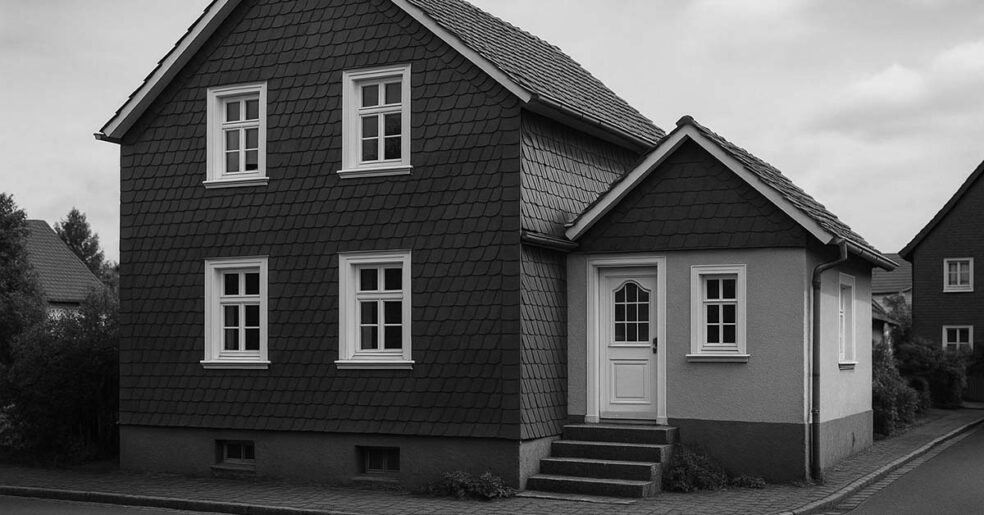
Photo: © Wordliner/Image created with OpenAI's Sora
ERB_EIG_5
About the author

Harry Mohr
Real estate agent (Chamber of Industry and Commerce)Harry Mohr, author of this article