
"In the interest of all citizens"
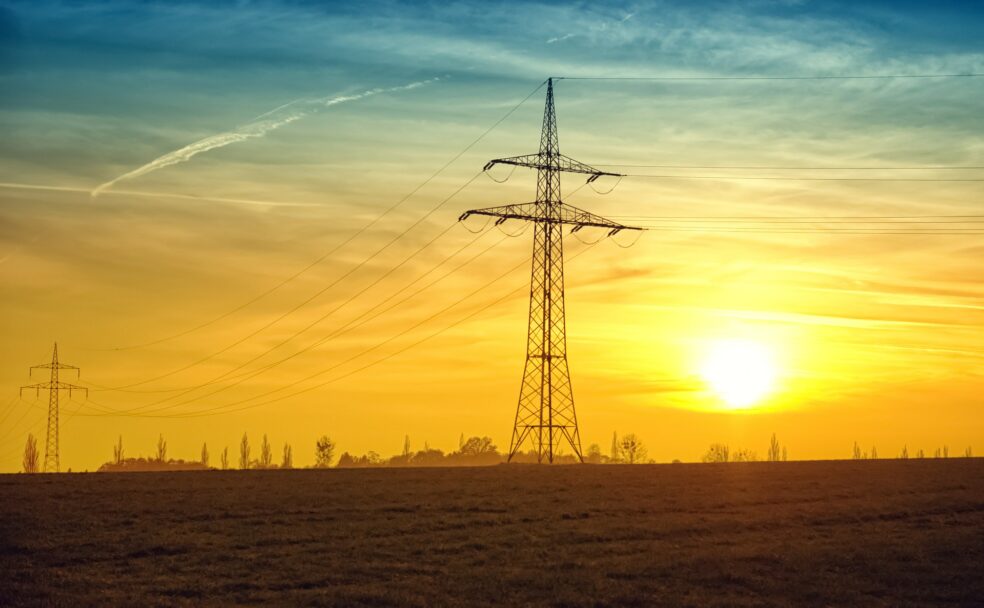
Better insulation saves a lot of heating energy and improves living comfort in buildings. However, Germans' enthusiasm for renovations remains limited: less than one percent of existing buildings are currently renovated each year. This is far too little for climate protection. To create more incentives, funding programs have now been increased.
Buildings account for a significant share of Germany's total energy consumption and greenhouse gas emissions. "Reducing the energy consumption of buildings is not only a key focus of German climate policy, but also in the interest of all citizens, who
benefit from lower operating costs," explains the German Environment Agency. To create incentives, state-run development banks increased their support at the beginning of 2020, following the Federal Government's approval of long-awaited tax incentives for building renovations in December of the previous year. Owners who invest in thermal insulation and climate-friendly heating technology now receive more money from the government, provided they live in their property themselves. They can choose between a tax credit from the tax office or substantial funding programs from the state-owned KfW Bank or the Federal Office for Economic Affairs and Export Control (BAFA).
Which funding option should you choose?
If major renovations are planned, it's advisable to apply for KfW or BAFA funding. For homeowners undertaking only individual measures, such as installing new windows or doors, or insulating the roof or walls, the tax deduction is equally worthwhile. This is demonstrated by sample calculations from Stiftung Warentest (a German consumer organization). It's important to choose the appropriate option before the renovation begins, at least if you intend to apply for subsidies. The tax deduction, however, can also be claimed retroactively with your income tax return.
Up to 40,000 euros from the tax office.
If you opt for the tax credit, the tax office will deduct
up to 20 percent of the expenses for energy-efficient renovations from your tax liability over three years, up to a maximum of €40,000 in total. The prerequisites are that the house is over ten years old and that a specialist company carries out the renovation work. Taxpayers can claim almost all measures that reduce energy consumption; in addition to those mentioned above, this also includes the installation of a ventilation system and a new or improved heating system.
Since the focus of the subsidies is on renewable energies, there is naturally no tax bonus for replacing an old oil heating system with a gas condensing boiler – unless it is combined with renewable energy sources. Subsidies are available for solar thermal or biomass systems, heat pumps, fuel cells, combined heat and power (CHP) plants, or connection to a district heating network. While an energy consultation beforehand is not a prerequisite for the tax reduction, it is recommended, as it is subsidized by 50 percent.
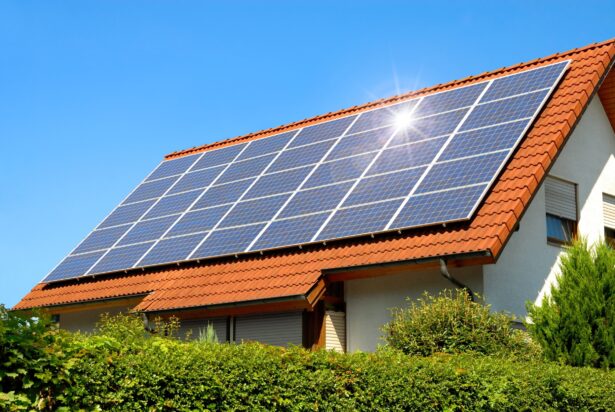
Bafa subsidies for new heating systems.
The Federal Office for Economic Affairs and Export Control (BAFA) also offers subsidies of up to 35 percent for climate-friendly heating systems. If an old oil heating system is replaced, BAFA even contributes 45 percent. In total, BAFA recognizes costs of up to
€50,000. Heating systems in single-family or two-family homes older than 30 years are excluded, as in this case the
homeowner would already be obligated to replace the old heating system under the Energy Saving Ordinance (EnEV).
KfW loans and repayment subsidies.
Since the end of January this year, KfW has increased its funding for energy efficiency, construction, and renovation projects, now offering repayment and investment grants
of up to €48,000. The maximum loan amount, for example, for a complete house renovation is €120,000. Generally, the better the house's energy efficiency after the renovation, the higher the grant.
(Applications for KfW investment grants are available online at public.kfw.de/zuschussportal-web).
Sources:
umweltbundesamt.de,
immonewsfeed.de,
test.de
, energie-experten.org
About the author

Harry Mohr
Real estate agent (Chamber of Industry and Commerce)Harry Mohr, author of this article