
Home check in spring
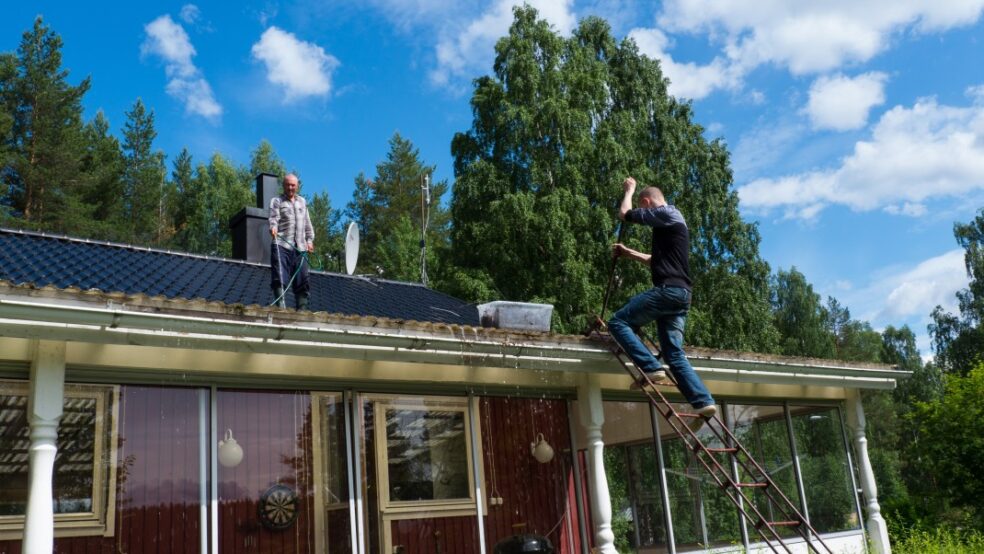
The structure of a house is like human health: if detected early, most damage can be repaired with relatively little effort. An annual check helps prevent minor damage from developing into major and substantial problems.
Sealing the roof
The first thing to inspect is the roof, the protective element of the house. Are all the roof tiles still in place? Are the flashings intact? Are there any leaks through which moisture can penetrate the house? If a new roof is needed, it's advisable to also check the roof insulation. Proper insulation not only saves on heating costs next winter but also prevents heat buildup in the summer. Incidentally, those who don't want to climb onto the roof themselves not only live more safely: regular inspections by a professional also protect homeowners from being held liable for storm damage.
Cleaning the rain gutters
But while you're on the ladder inspecting the roof, you might as well clear the gutters and downpipes of dirt, leaves, twigs, and moss. If these are clogged and overflowing, the water will run down the facade. If it penetrates the masonry through damaged areas, mold, moss, or algae could form.
Inspect the facade
Even though the winter of 2019/2020 wasn't as "wintery" as the previous year, it still puts roofs to the test, and the dampness also takes its toll on facades. It can penetrate the building structure through cracks and other openings. Is the paint peeling, is the plaster cracked? Take a close look to prevent cosmetic flaws from developing into serious structural defects with the next frost.
Check doors and windows
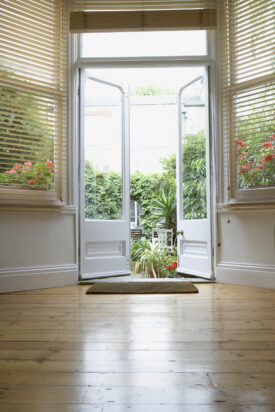
Doors and windows are also constantly exposed to the elements. Therefore, you should definitely check whether putty or silicone seals have become brittle. The joint at the strike plate is particularly critical for exterior doors, as moisture can penetrate under the screed here. If wooden windows no longer close tightly after winter, this may be due to warping of the sashes. Replacing the seals or readjusting the hinges can help in this case.
Eliminating tripping hazards
Now you'll need to bend down a bit to check for potential tripping hazards. Frost or seepage can cause slabs to lift, concrete to crumble, or tiles to chip on balconies, terraces, or driveways. Architect Ulrich Zink from the Federal Working Group for Old Building Renovation advises, for safety reasons, to check balconies in particular for winter damage.
Check fences, hedges and bushes
The final inspection takes us to the garden. Is the fence still sturdy? Have the trees, hedges, and shrubs weathered the cold and snow well? Then nothing stands in the way of a long and sunny gardening season!
Sources: renovieren.de, immonet.de, interhyp.de, merkur.de, hausinfo.de
About the author

Harry Mohr
Real estate agent (Chamber of Industry and Commerce)Harry Mohr, author of this article