
Heat protection in summer
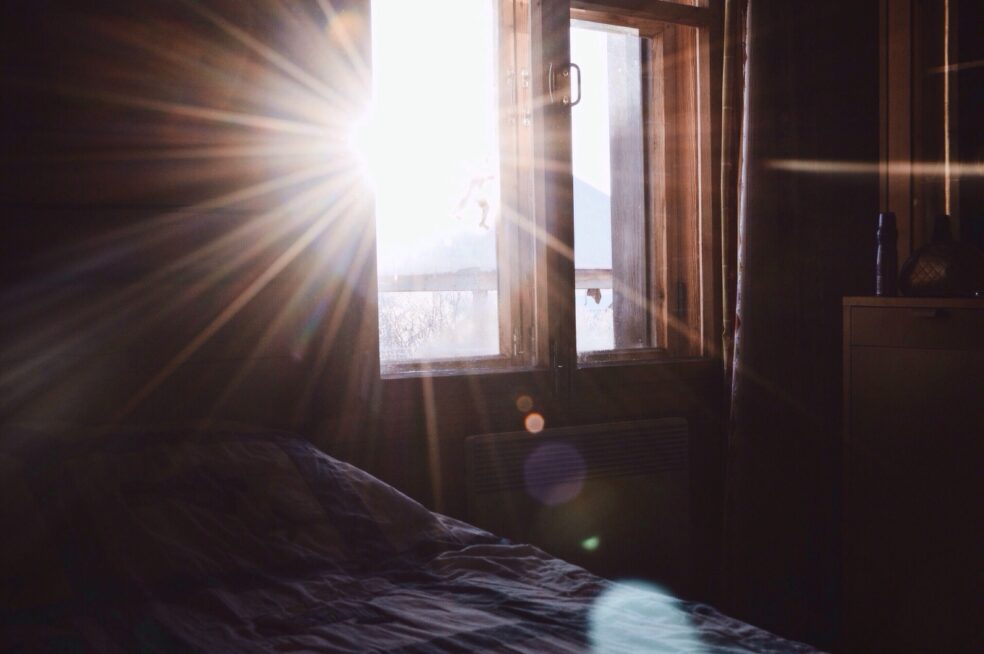
As much as we enjoy the warmth in summer, it can become a problem indoors. Especially in attics, temperatures can quickly climb to around 30°C and cause insomnia and circulatory problems. Installing an air conditioner isn't always possible and is also quite expensive. What options are there to keep the heat out?
Is the insulation in the roof and walls sufficient? If so, the (roof) windows remain the main entry points for summer heat. Special solar control glass can make a significant difference here, as it transmits considerably less solar energy than standard heat-insulating glass.
For clarification.
The degree of solar control provided by glass is determined by its total solar energy transmittance, or g-value. This total energy consists of the solar energy that passes directly through the glass into the interior and the energy that is released inwards when the glass heats up. The lower the g-value, the greater the solar control effect. The g-value of modern solar control glass ranges from 0.18 to 0.48, while the values for thermal insulation glazing range from 0.6 to 0.65, and for triple glazing, it is around 0.55. (Additional solar control film, which can be applied to the inside of the glass, can be used to improve solar control.) However, solar control glass does not provide glare protection; for this, additional shading systems such as blinds or roller shades are required.
The best way is from the outside.
Generally speaking, once heat has entered a room or apartment, it's difficult to get it out again. Therefore, the best solution is externally installed sun protection such as roller shutters. They reduce heat gain to as little as five percent (and also protect against burglars).
However, closed roller shutters block not only the heat but also daylight. Exterior blinds with adjustable and tiltable slats are a better choice here. Both solutions can be retrofitted. Awnings are also a decorative, but less effective, form of sun protection and are also less suitable for withstanding wind.
Curtains, pleated blinds & Co.
Decorative, but less effective against summer heat, are shading devices such as pleated blinds, curtains, or Venetian blinds that are mounted on the inside of the window or balcony door. They are still helpful, however, as they also reduce the amount of heat entering the room. The advantage: they can be easily installed even without a professional. To prevent heat buildup, curtains, pleated blinds, and similar products should not be mounted too close to the window.
As a general rule: Keep windows closed during bright sunshine and, depending on your personal daily rhythm, only ventilate thoroughly late in the evening, at night, and/or early in the morning. Our tip: Combine cross- and vertical ventilation by letting warm air escape through the skylights while cool air flows in through the lower windows.
Provide a fresh breeze.
A pedestal or ceiling fan is also helpful; ceiling fans are more difficult to install but have more power and are suitable for larger rooms. Air conditioners are known to be energy guzzlers, so when buying one, make sure it has a low energy efficiency rating. Many people are also bothered by the humming noise produced by a split unit located outdoors (which might disturb the neighbors). Simple sleep aids on humid nights include lukewarm showers: Drying yourself only briefly allows you to enjoy the evaporative cooling effect. If that's still not enough, you can also pre-chill your pajamas in the refrigerator on tropical nights.
About the author

Monika Ruhland
Real Estate Manager (WAF)Monika Ruhland, author of this article