
Guest article: Modernizing your oil heating system and saving money – timing, advantages and obligations
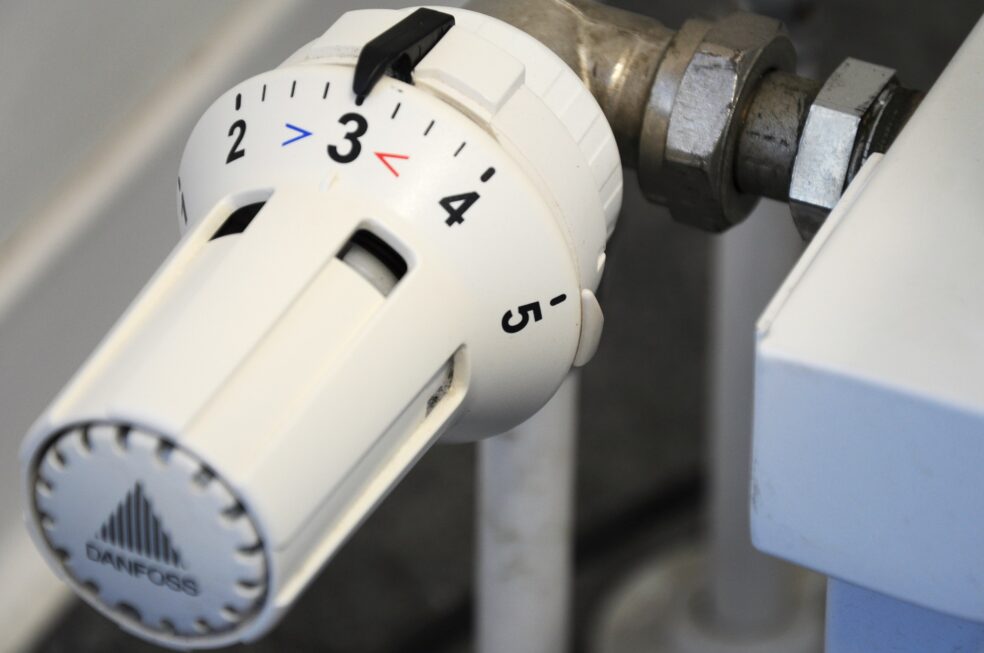
Lower energy consumption and operating costs are goals that building owners pursue with their heating systems. Added to this are the climate policy targets of the German Federal Government. According to these targets, CO2 emissions are to be reduced by approximately 40 percent by 2020. [1] Efficient heating technology is therefore becoming increasingly important for owners of oil heating systems. Given that in 2014, 70 percent of the 5.6 million oil heating systems in Germany were outdated and consumed a third more oil than modern condensing boilers [2] , there is significant potential for heating system modernization.
Consumers have certainly recognized the benefits of replacing their heating systems. Current funding statistics from the KfW Bank show that heating system upgrades are the most popular renovation measure for homeowners, accounting for more than 40 percent of all home improvements. [3] We will explain below when the right time for replacement is and what advantages consumers can expect.
Why consumers should modernize their oil heating system
Old oil heating systems are typically constant-temperature boilers. These are outdated and cannot be regulated according to demand. Furthermore, the output of an old boiler is significantly oversized. This means it always operates at full capacity, exceeding the actual heating requirement. Due to often inadequate pipe insulation, only about a third of the excess heat generated actually reaches the radiators. If old circulation pumps are used instead of efficient high-efficiency pumps, electricity costs increase. The end result is heat loss, high heating bills, and increased energy consumption. Modernizing your heating system and installing an oil-fired condensing boiler will stop this energy waste and ensure more economical heat generation.
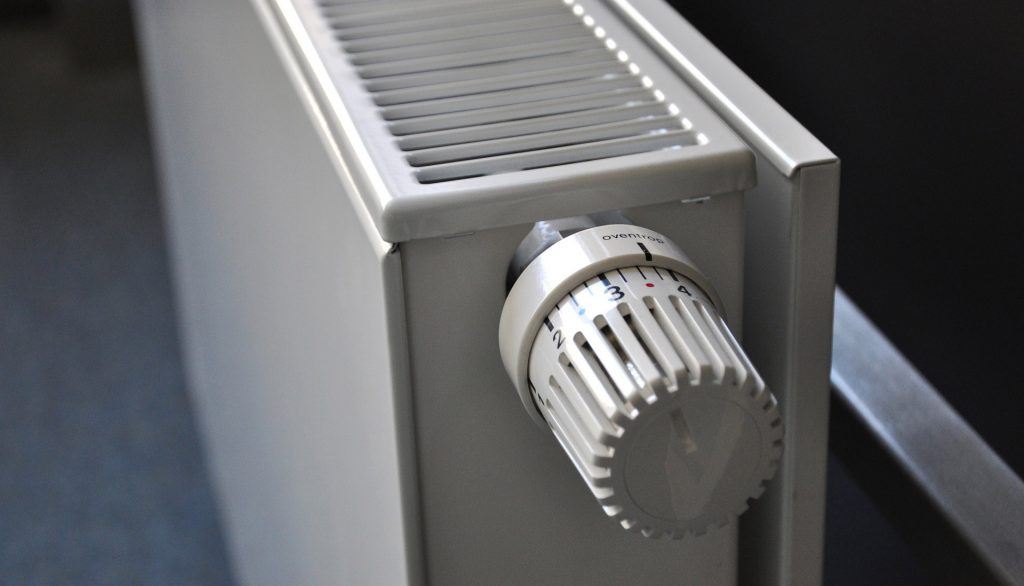
Signs that indicate a heating system upgrade is needed
Consumers can quickly identify an old boiler by its nameplate. Generally speaking, heating systems that have been in operation for more than 20 years should be replaced. Rust and leaks also indicate that modernizing your heating system makes sense. When your chimney sweep performs their next emissions test, be sure to ask about flue gas losses. If these exceed 12 percent, it's time to consider replacement. Overall, energy losses when using older heating technology amount to around 48 percent compared to condensing boilers. These losses are due, among other things, to old and poorly insulated pipes, flue gas losses, and the lack of outdoor temperature sensors. This is the result of a sample calculation by the consumer advice center. [4] Modern boiler electronics offer significant savings potential: If homeowners replace their old oil boiler with a modern oil-fired condensing boiler, their financial savings increase by approximately 30 percent. [5]
What makes modern oil heating systems so special?
Unlike constant-temperature or low-temperature boilers, a condensing boiler utilizes the hot exhaust gases produced during the oil combustion process. While these gases escape unused through the chimney in conventional boilers, the oil-fired condensing boiler directs them to a heat exchanger. This cools the gases to approximately 55 degrees Celsius. By comparison, older boilers release exhaust gases into the environment at temperatures of up to 300 degrees Celsius. As the gases cool in the heat exchanger, the water condenses into droplets. This process releases the energy contained in the water, known as the latent heat of vaporization. While the condensate flows into the sewer system, the heat exchanger transfers the recovered latent heat back into the heating circuit. This allows oil-fired condensing boilers to utilize energy up to 10 percent more efficiently than conventional oil boilers. [6] Thanks to heat recovery, the boiler has to work less, and oil consumption decreases. This not only protects the environment but also saves money.
Further interesting facts and tips on heating system modernization and the advantages and disadvantages of oil condensing boilers can be found Kesselheld website
What do owners of oil heating systems in older buildings need to be aware of?
The German Energy Saving Ordinance (EnEV) mandates that building owners replace old heating systems. This primarily applies to constant-temperature boilers older than 30 years. The decisive factor for the replacement requirement is the year of manufacture of the heat exchanger located within the boiler. Those who ignore these regulations risk fines of up to €50,000. Building owners who have purchased an oil-fired heating system since 2015 can only acquire one with condensing technology. Since 2016, oil-fired condensing boilers older than 15 years have been required to carry an energy efficiency label.
Oil heating systems in new buildings
For new buildings, energy consultants recommend a combination of an oil-fired condensing boiler and solar thermal energy. This is because owners of new buildings are subject to the regulations of the Renewable Energy Sources Act (EEWärmeG). Section five of this act stipulates the percentage of renewable energy sources, such as ambient heat, sunlight, or biomass, that consumers must use for heating. Owners using solar thermal energy for domestic hot water and heating support must cover at least 15 percent of their heating energy needs with solar energy. When using biomass, this figure rises to 30 percent.

Modern oil heating systems are subsidized
Those replacing their oil heating system can receive a loan through the Energy-Efficient Renovation funding package (KfW Program 152). The loan is granted for a term of 10, 20, or 30 years and, since January 1, 2016, includes attractive repayment subsidies of 12.5 percent. The maximum loan amount is €50,000. It is important that your building was constructed before January 1, 2002, and that a heating engineer has performed hydraulic balancing before commissioning. KfW also provides subsidies of 15 percent of the eligible costs for the installation of an oil-fired condensing boiler. The maximum payout is limited to €7,500 per residential unit. Please note: KfW funding is generally only available for owner-occupied single-family homes, two-family homes, and condominiums.
[1] https://www.bundesregierung.de/Content/DE/Lexikon/EnergieLexikon/C/2013-09-18-co2-emission.html
[2] http://www.dena.de/presse-medien/pressemitteilungen/heizkosten-sparen-5-gruende-fuer-den-kesseltausch.html
[3] http://www.finanzen.net/nachricht/aktien/Heizungstausch-ist-die-Top-Massnahme-der-Gebaeudesanierung-FOTO-5003434
[4] Consumer Advice Centre's Heating and Hot Water Guide, p. 31
[5] http://unternehmen-heute.de/news.php?newsid=370022
[6] http://www.energieverbraucher.de/de/brennwert__289/
About the author

Harry Mohr
Real estate agent (Chamber of Industry and Commerce)Harry Mohr, author of this article