
Growing your own medicinal herbs
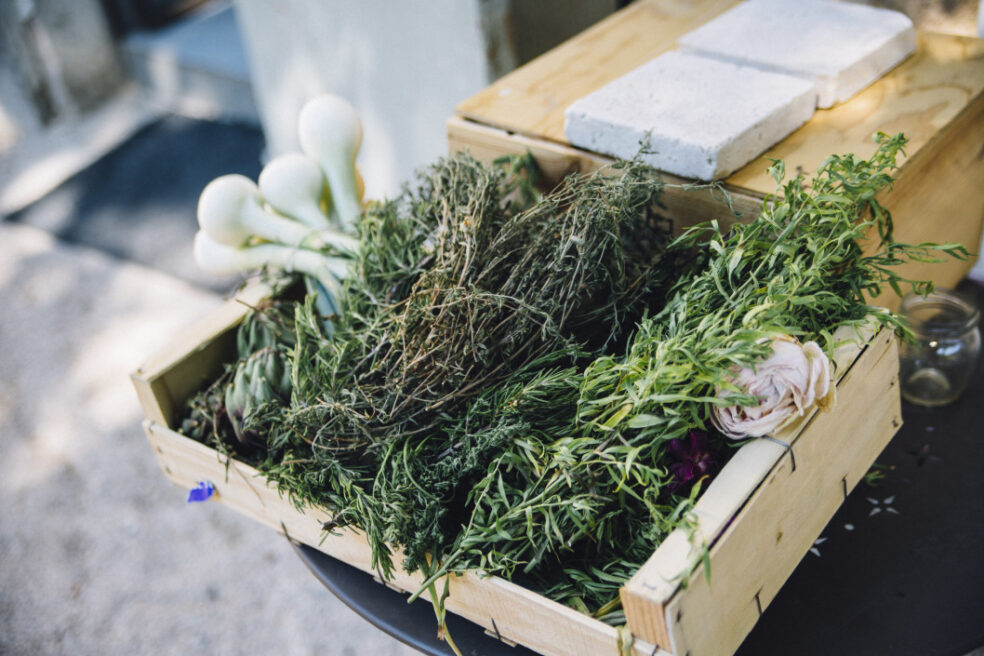
The growing interest in healthy and organic food has revived a centuries-old tradition: the medicinal herb garden. Cultivating medicinal herbs is a worthwhile endeavor and can be done in the garden, on the balcony, or on a windowsill.
"All things are a poison and nothing is without poison; only the dose makes a thing not a poison," the philosopher and physician Paracelsus (1493-1541) once said. Therefore, the treatment of more complex ailments is best left to a doctor or alternative practitioner.
Beneficial helpers
For minor, everyday ailments, however, medicinal plants can certainly provide relief. They can replace some visits to the doctor or support conventional medical treatment. And usually without side effects. Plants from your own herb garden are particularly helpful for complaints such as colds and sore throats (e.g., thyme, rosemary, sage), digestive problems (e.g., chamomile, ginger, fennel, caraway, and lemon balm), muscle and joint pain (comfrey and arnica, processed into ointments or tinctures), or nervousness and sleep disorders (lavender, St. John's wort).
Many of them have multiple uses: "There's a herb for everything," as the monks of the Middle Ages knew. The list of medicinal herbs is correspondingly long. There are special directories of medicinal herbs that list all the plants and their effects. You can also find a lot of useful information online.
Location is important
Whether you want to plant boxes or tubs, or create a large bed or a herb spiral in the garden: the most important requirement for the growth of medicinal herbs is a semi-shaded location, because unlike Mediterranean herbs such as rosemary and lavender, native wild herbs do not like full sun exposure.
Soil quality also plays a major role: To avoid waterlogging, the soil should be as loose as possible, although some herbs prefer sandy soil and others moist, humus-rich soil. Compost or rock dust are suitable fertilizers.
About the author

Harry Mohr
Real estate agent (Chamber of Industry and Commerce)Harry Mohr, author of this article