Conservatory or lean-to house – is a building permit required?
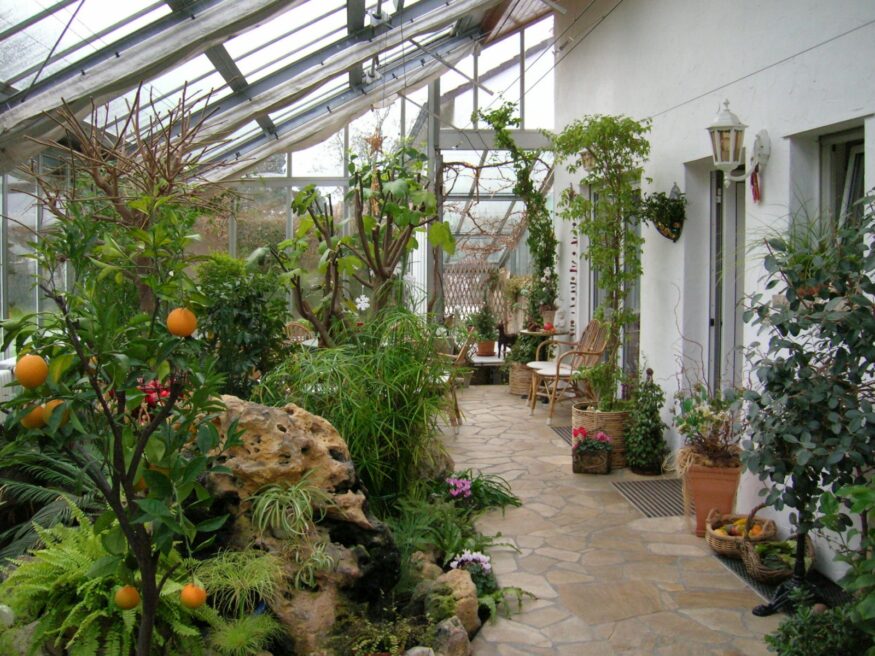
 Any structural alteration to or within a house is subject to the building regulations of the state building code (LBO). Therefore, a building permit or at least a building notification is required for any type of extension. Lean-to houses or unheated conservatories are generally exempt: as terrace or balcony glazing, they do not affect the overall structural integrity of the house or its thermal performance, but merely extend the usability of the terrace.
Since they belong to the greenhouse area and cannot be used year-round, lean-to greenhouses – unlike heated conservatories – are not considered an extension of the living space. The living space still ends at the lockable patio door.
However, a conservatory that can be used year-round and is also subject to taxation must be insulated according to the thermal insulation regulations. The glazing is therefore expensive and of high quality.

To process the application, the local building authority needs the building plan and the site plan. The goodwill and (preferably written) consent of the neighbors is also required, especially in the case of construction on the property line or if the minimum distances cannot be maintained. Anyone living in an apartment building or residential complex needs the consent of all owners.
 For those who find all this too complicated, a lean-to house is recommended as a cost-effective alternative to a conservatory. In terms of appearance, there are hardly any differences. Lean-to houses also come in various shapes with a shed, round, or gable roof – optionally with skylights, sliding doors, or hinged doors.
Since high-quality glazing and thermally broken aluminum profiles are now available for improved insulation, the transition to a conservatory is seamless. Naturally, you can heat the lean-to structure with electric heaters or infrared heaters if needed.
If you want to enjoy your sunny oasis not just occasionally and avoid being reported by envious neighbors, you should inform the building authority as a precaution when constructing a cold conservatory.
A major advantage of a lean-to conservatory is its energy savings. What the conservatory saves on sunny days for the adjacent rooms, it consumes in additional heating energy on cold days. With a lean-to conservatory, you can invite the warmth of the spring and autumn sun into the adjoining rooms while keeping out the winter cold. In winter, the glazing in front of the house facade acts as a buffer against the freezing cold.
About the author

Harry Mohr
Real estate agent (Chamber of Industry and Commerce)Harry Mohr, author of this article